
Flower frogs are having a resurgence lately, getting snatched up at antique stores and thrift stores by vintage collectors, floral designers, and aesthetic-loving homemakers alike. But what is a flower frog? And how do you use flower frogs? Let’s explore.
I’ll never forget my first introduction to floral frogs. One Friday night during my college years, I hunkered down in my dorm room with a stack of Martha Stewart Living, Better Homes & Gardens, Country Living, and House Beautiful magazines I had procured from a thrift shop. I was SUPER fun in college.
As I thumbed through, I came upon an introduction to floral frogs opposite an article featuring my favorite antiques-obsessed person, Eddie Ross. I had never heard of these vintage pieces of floral magic before, but after learning all about them, I had to go junking the next morning for floral frogs. And thus began my floral frog obsession and collection, which I continue to procure today.
What Are Flower Frogs
Flower frogs are small pieces of metal, glass, or ceramic that are shaped to hold the bottom stems of flowers in the bottom of a vase. It’s like a substitute for the floral foam in the bottom of arrangements. The frog keeps the flower stems in place, preventing them from flopping over or repositioning themselves. Hence, leaving your floral arrangements in pristine shape. Many professional and amateur floral arrangers consider them an essential tool in their floral arranging game.
The flower frog is placed at the bottom of the vase. Flowers are arranged by tucking the stems into the frog, which holds them in place, and the vase or vessel is then filled with water, submerging the flower frog. The beauty of a floral frog is that the stems don’t have to rest on the lip of a vase. It allows for alot more creativity in the containers that floral arrangers can use.
History Of Flower Frogs And How They Got Their Name
The origin of flower frogs dates back to the 14th century for Japanese Ikebana arrangements. Ikebana is an ancient art of flower arranging that began with the arrangement of just three stems. The art form morphed over the years, but continues to center around creating a beautiful minimalist arrangement. Flower frogs were incorporated to help hold the Ikebana-style compositions in place. This House Beautiful article about the Japanese Ikebana practice is incredibly in-depth and interesting.
The floral arranging tool made its way to popularity in the United States in the 1920s and 1930s. This was an era when home floral arranging became a popular pastime. They remained largely in use until the 1950s, when the invention of floral foam came about and hit the market as a replacement for frogs.
While the exact origin of the term “flower frog” is unknown, many speculate that it is because they are slightly rounded and sit in water like frogs.
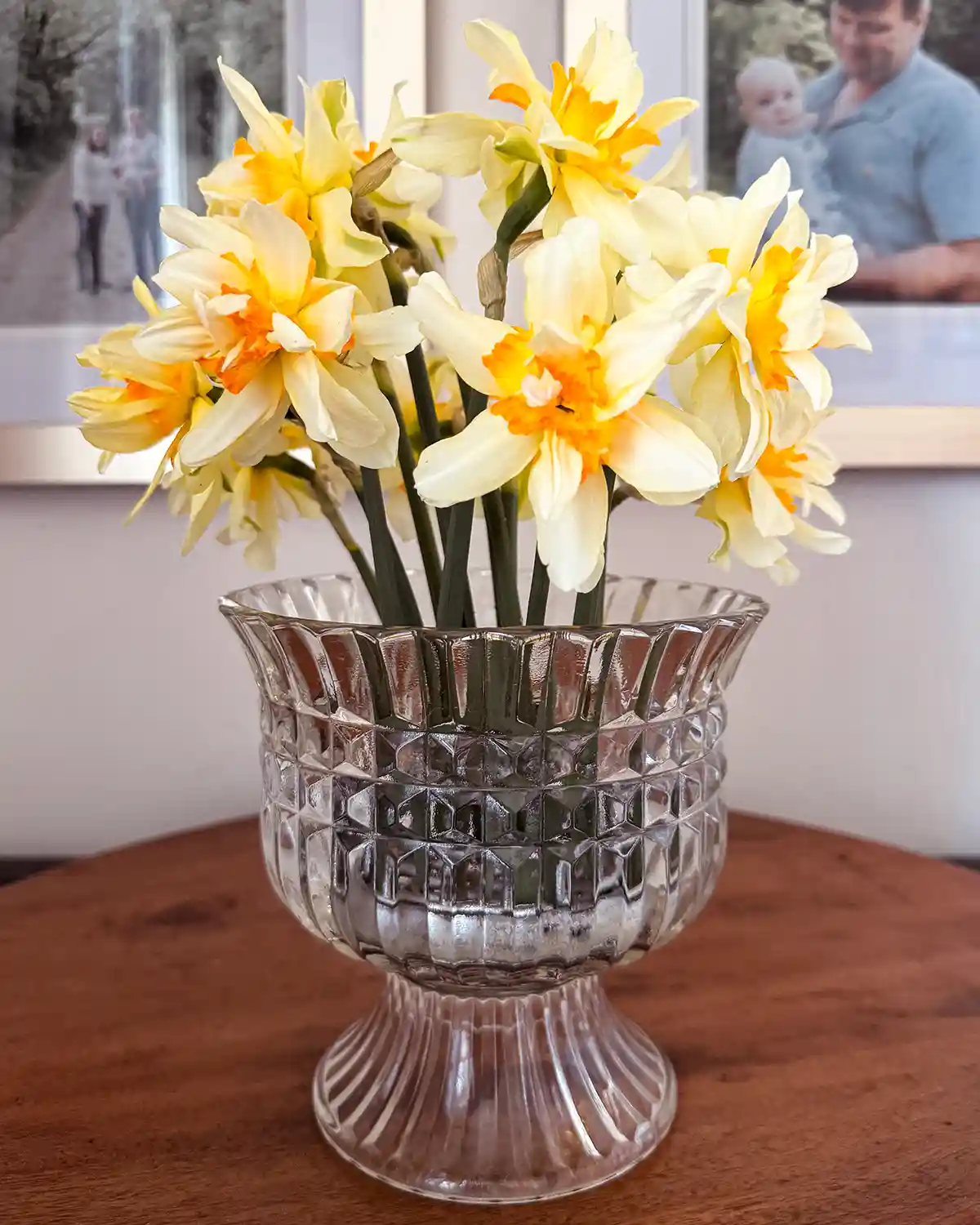
My latest floral arrangement done with a floral frog (and a flower picking obsessed four year old).
Why Are Floral Frogs So Great
There are a few extra benefits that floral frogs provide to your flower arrangements.
No More Flopping Flowers
You know when you arrange that perfect mix of flowers in your favorite vase. But then you move it from the island, where you crafted it, to the dining room table, and by the time it arrives, it does not look like it did originally. The flowers have all flopped to the outside lip, there’s a big hole in the middle, and the arrangement looks a little sad. Flower frogs prevent that. Hence, why professional flower arrangers use either a frog or foam to keep all the stems in place.
Eco-Friendly
Using a flower frog is a sustainable alternative to floral foam and a great way to be more eco-friendly when crafting professional-looking arrangements. Unlike with foam, you can reuse frogs time after time, year after year. Vintage metal and glass flower frogs, in particular, stand the test of time, boasting long lives.
Can Make Floral Arrangements In A Shallow Bowl
Flower frogs also allow arrangers to practice creativity when it comes to choosing a vessel to hold the arrangement. Frogs can be placed in the bottoms of bowls, even very shallow ones, for stunning arrangements. The frog holds the stems in place, disregarding the need for tall vases. This is the ultimate magic of the flower frog.
Used To Create Floral Art
Their biggest benefit, and the one dating back to their origin, is to be used to create art out of fresh florals. Frogs allow the arranger to use a minimal amount of blooms and arrange them artfully.
Where To Find Floral Frogs
Floral frogs abound, although they’ve gotten a little more expensive in the last twenty years since I started my personal flower frog collection. I’ve found them at flea markets, estate sales, antique shops, thrift stores, and more. You can also find vintage ones online on Etsy and eBay. If you keep your eyes out anyplace you would normally go junking, you’ll find them.
The cheapest place to find flower frogs is at thrift stores, yard sales, and flea markets. I’ve often paid less than $10 at these places for vintage flower frogs. Antique stores have prices in the $20-$50 range, while eBay and Etsy can range from inexpensive to top price, depending on the seller and condition of the frog.
Types Of Flower Frogs
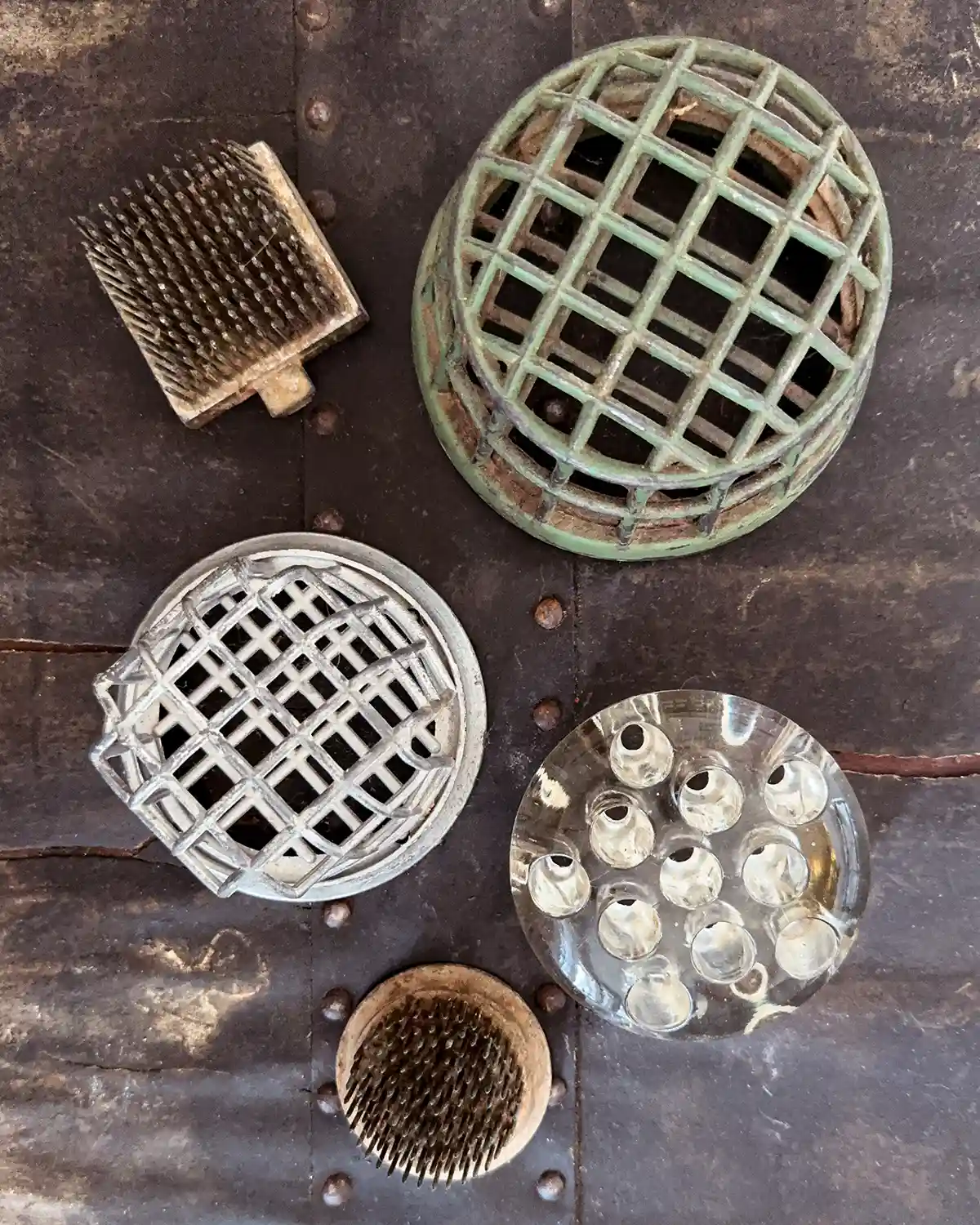
Vintage flower frogs come in many different sizes and materials, from metal flower frogs to ceramic ones, and more. Here are a few of the most common styles.
Metal Pin Frog
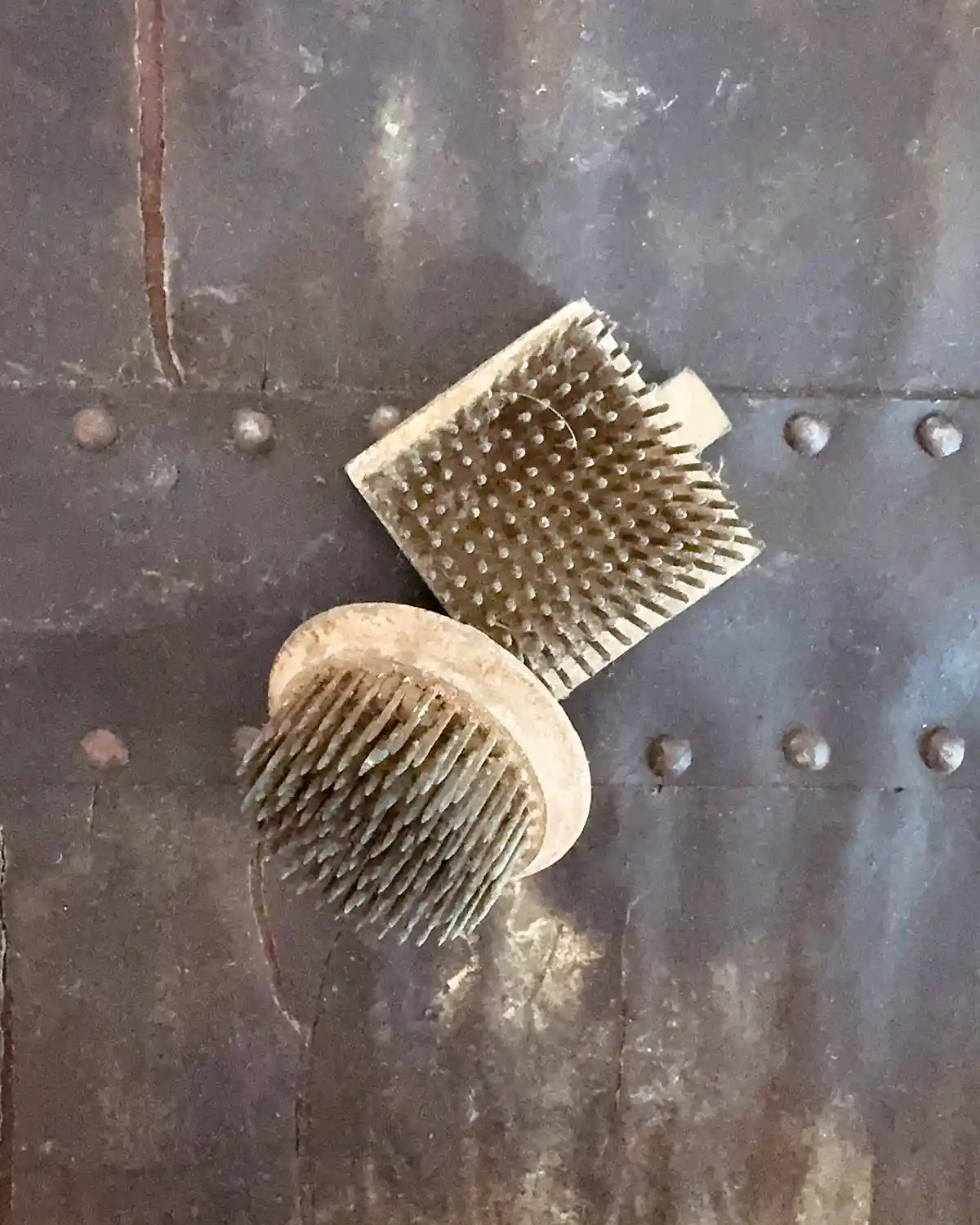
These metal pin frogs have a heavy metal base with dozens of metal pins sticking straight up. This is one of the most popular styles. Often, these are made with solid lead bases with brass pins and are a secret weapon for floral arranging in shallow bowls. They come in a variety of sizes and shapes, including both square and round versions. These may be the most recognized type today in the world of flower arranging.
Metal Hairpin Flower Frog
These hairpin flower holders are a variation of the pin style with small loops at the ends of the metal pins to support stems. Hairpin holders are versatile options for flower arranging, as their pins are often adjustable. The hairpin frog is one of the harder styles to find while thrifting.
Metal Cage Flower Frog
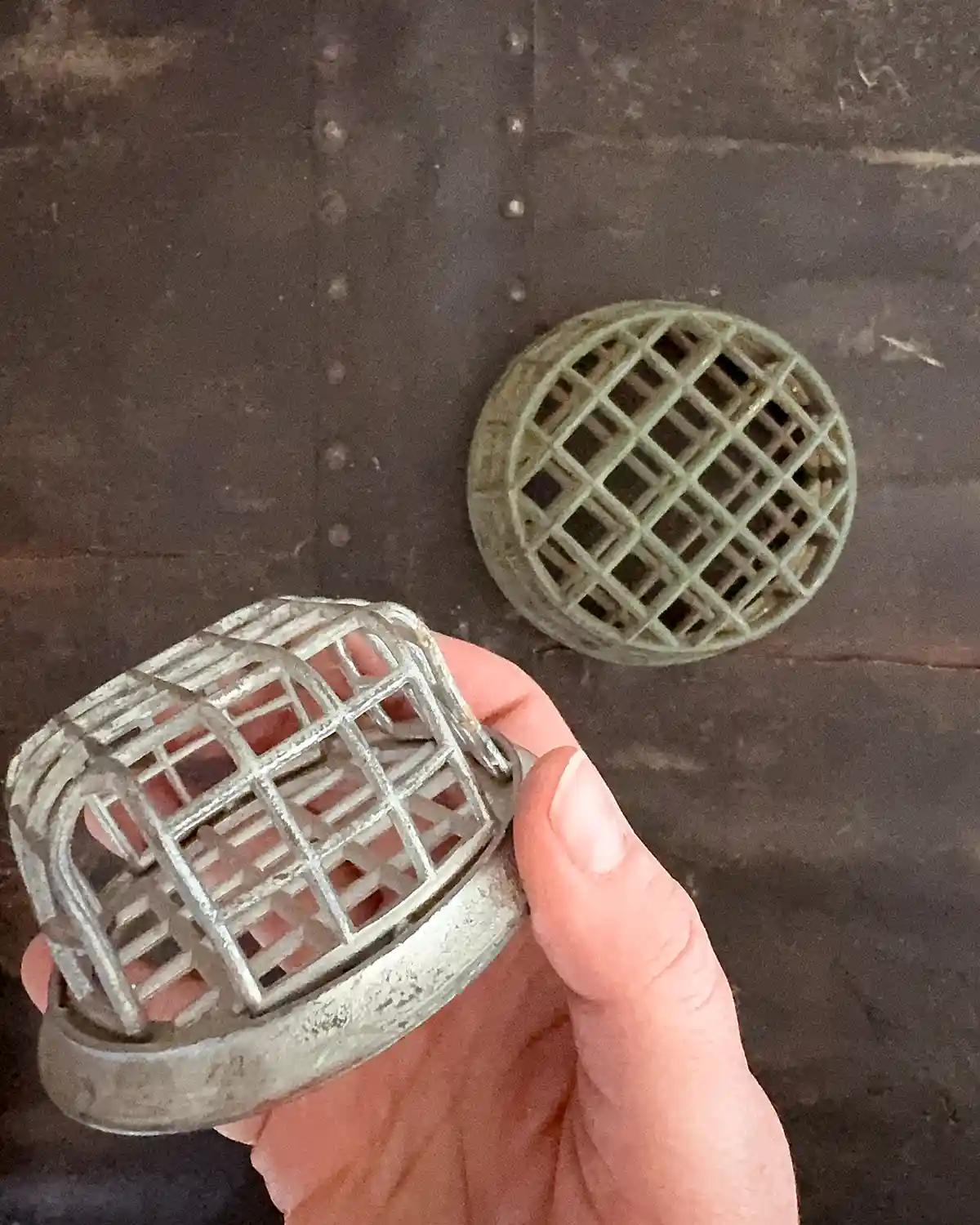
Another popular style is the metal cage frogs. These are like small, half-sphere cages with a weighted base. They’re a little more versatile than pin style since stems can be arranged at different angles, coming through either the sides or the top of the cage. The cage style comes in a wide variety of sizes, supporting different scales of work.
Glass Flower Frogs
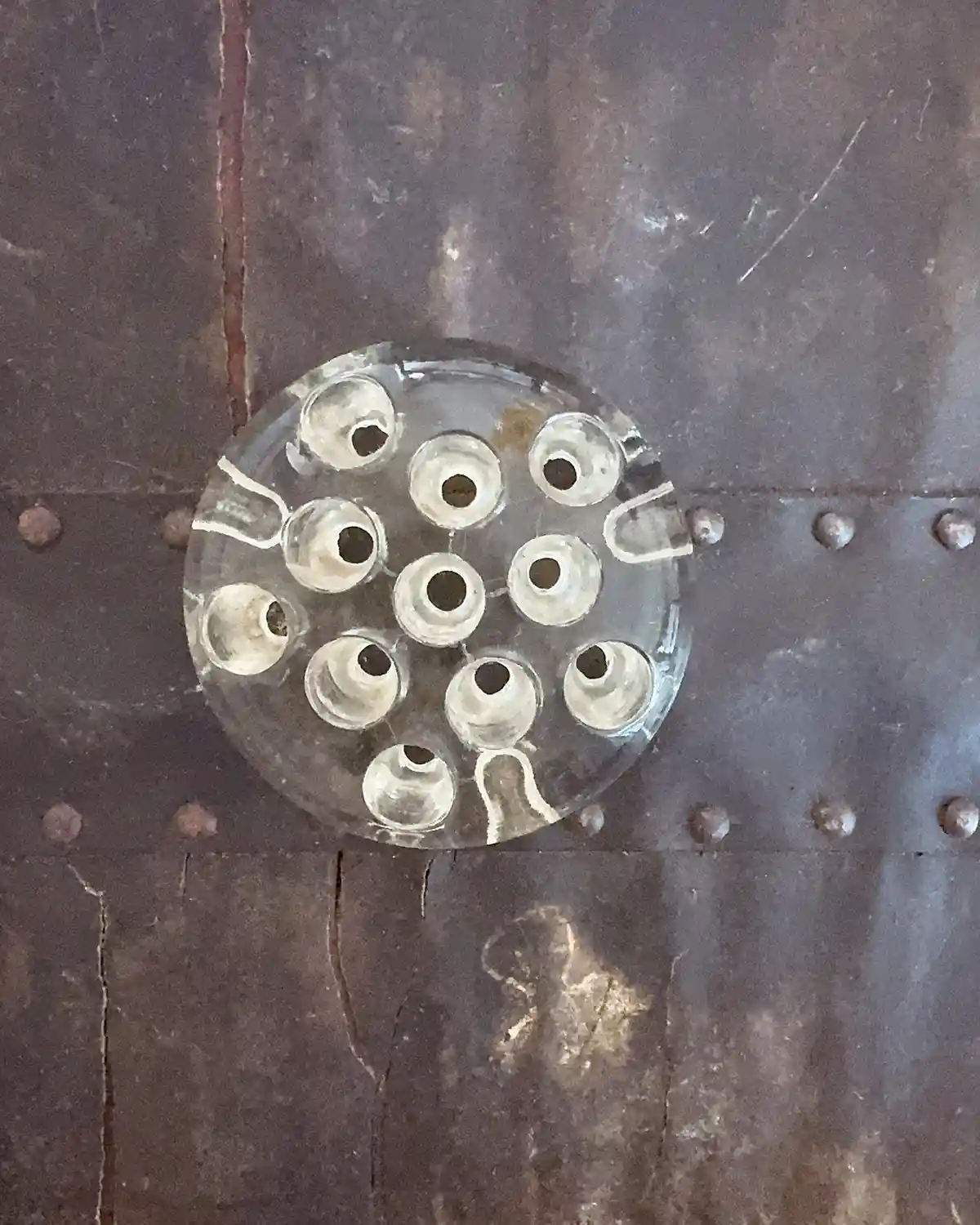
Glass frogs are another popular option, one that is rust-free compared to their metal counterparts. They are one of the least versatile options with a limited number of stem placements, but they are super simple to use. It’s a good idea to use this style with simple arrangements based on stems’ natural placement in a vase.
Ceramic Flower Frogs
Ceramic frogs are similar to glass frogs in shape and style, but are simply of a different material. Some modern ceramic versions, or DIY options, are shaped more like saucers and can sit on top of a vase or mason jar. They are often painted and decorated in a variety of fashions.
How To Use Flower Frogs
Whether you do professional floral design work or you have a love of flowers and want to craft a beautiful arrangement for your mom on Mother’s Day, floral frogs are for you. AND simple to use.
Select Your Flowers
When arranging, the first thing is to choose a selection of blooms at the market or pick some from your garden. The goal is freshness for a long-lasting, enjoyable arrangement. Fresh flowers also stand up well in a flower frog.
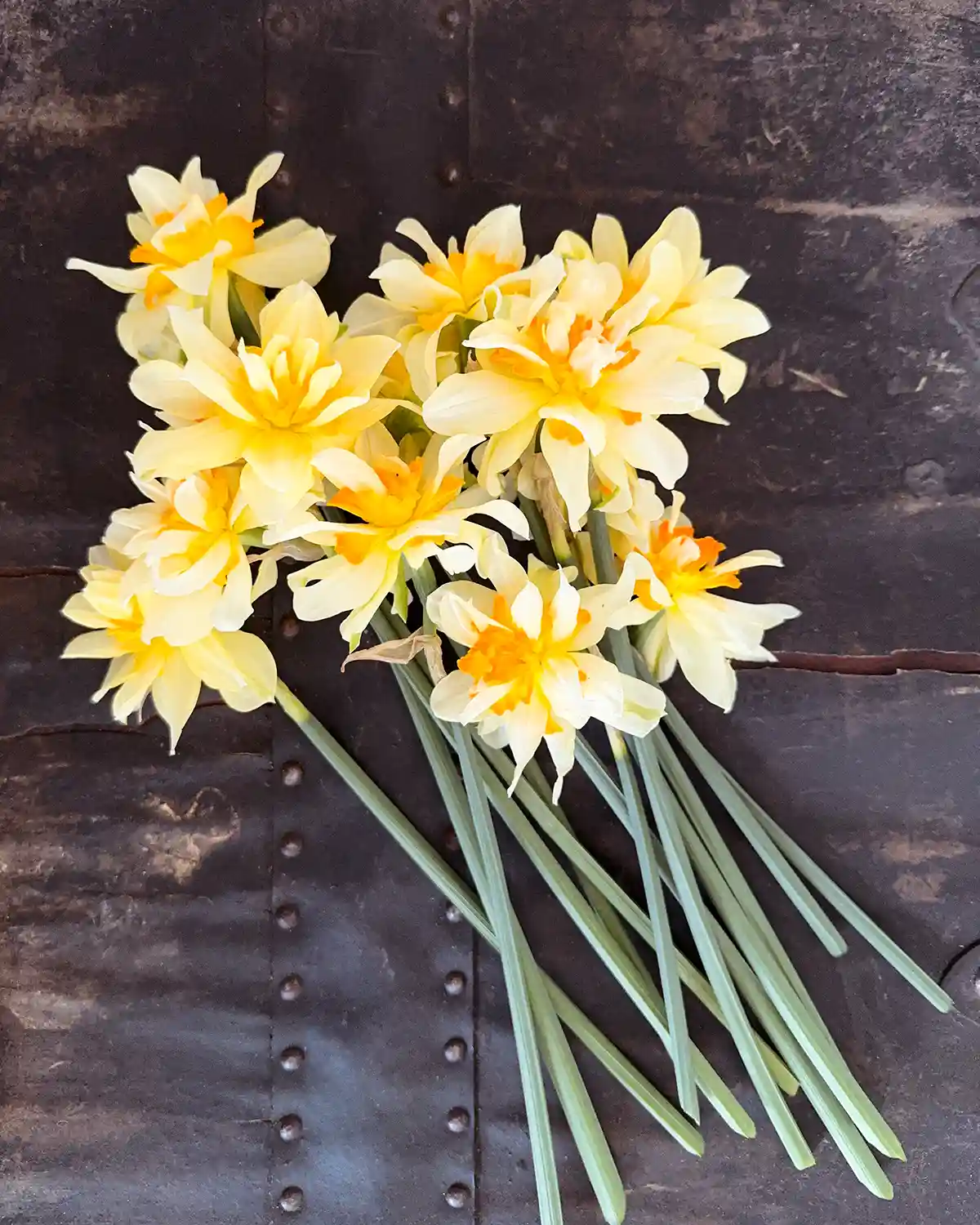
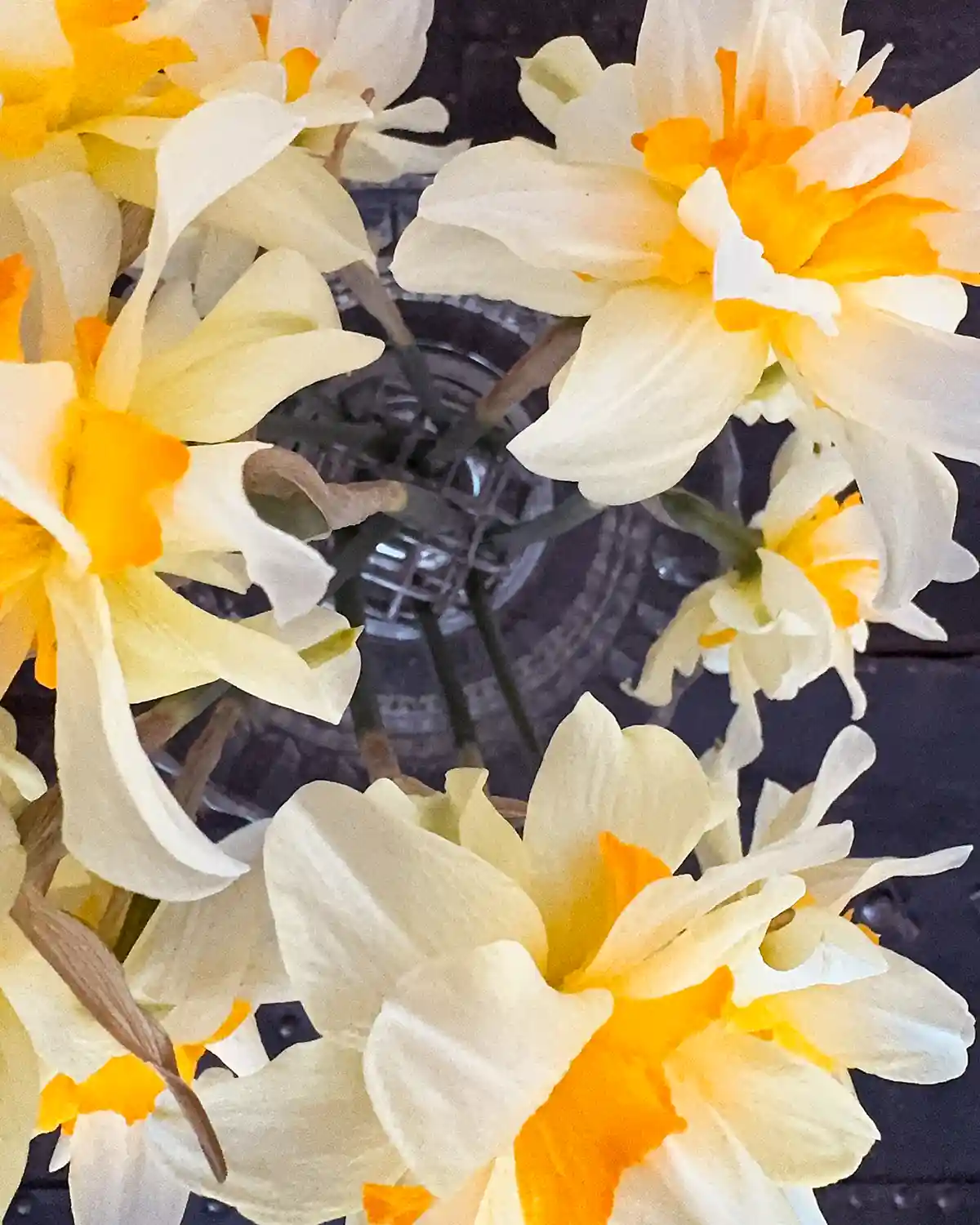
Since daffodils are in season right now, and my daughters pick our yard clean every spring, I’m choosing a selection of yellow and white daffodils for this arrangement.
Choose A Vessel
Depending on the flowers you choose and the desired look for your arrangement, choose a vessel. Because we’re using a frog to hold the stems in place, experiment with different shapes or bowls. Some of the best chosen flower vessels aren’t meant to be vases at all.
Add A Floral Frog
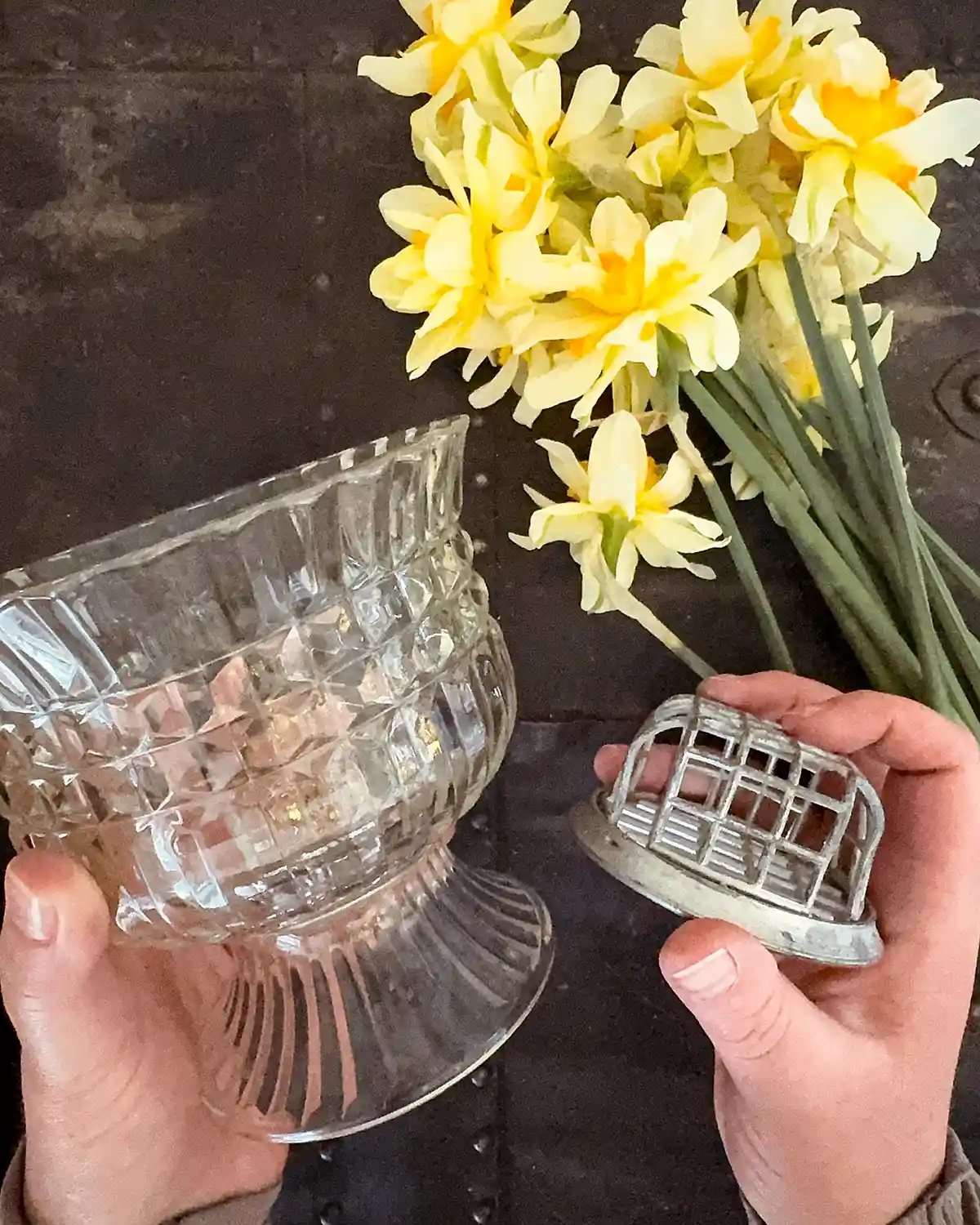
Select a floral frog that will work best for your arrangement. If it’s basic, maybe a glass one will work best. For those who want the most flexibility, try a metal pin or hairpin style. The frog must also fit the container you have chosen.
Once you choose a floral frog to work with, place it at the bottom of your vessel.
For this arrangement, I chose a simple, footed glass bowl and a metal cage floral frog that fits well in the bottom of the bowl.
Arrange Your Flowers
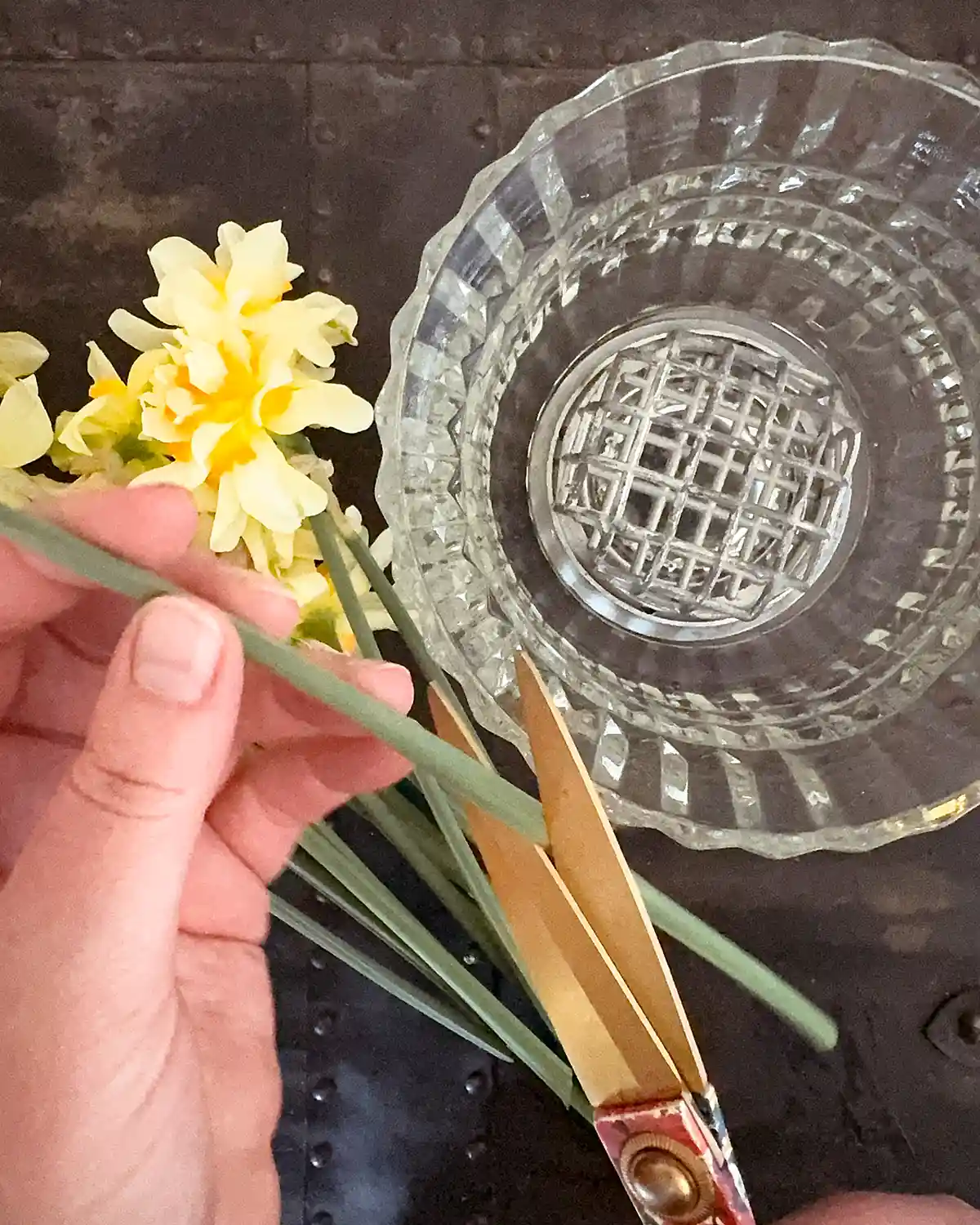
Armed with a pair of scissors, snip the flower stems to the desired height and anchor stems to the flower frog at the bottom of your bowl. Arrange to your heart’s content, be it minimal or maximal. Basic and simple in design, or wild and free.
My plan is super simple. My daughter picked all the daffodils with shorter stems, so I’m working on trimming them all to roughly the same length.
Fill The Vessel With Water
Once you’re happy with the arrangement, fill the vase with water and place it in a prominent spot in your home to enjoy. Keep the vase filled with water as you would any vase of flowers.
Can you see how the flower frog is holding the daffodil stems upright in the photo below?
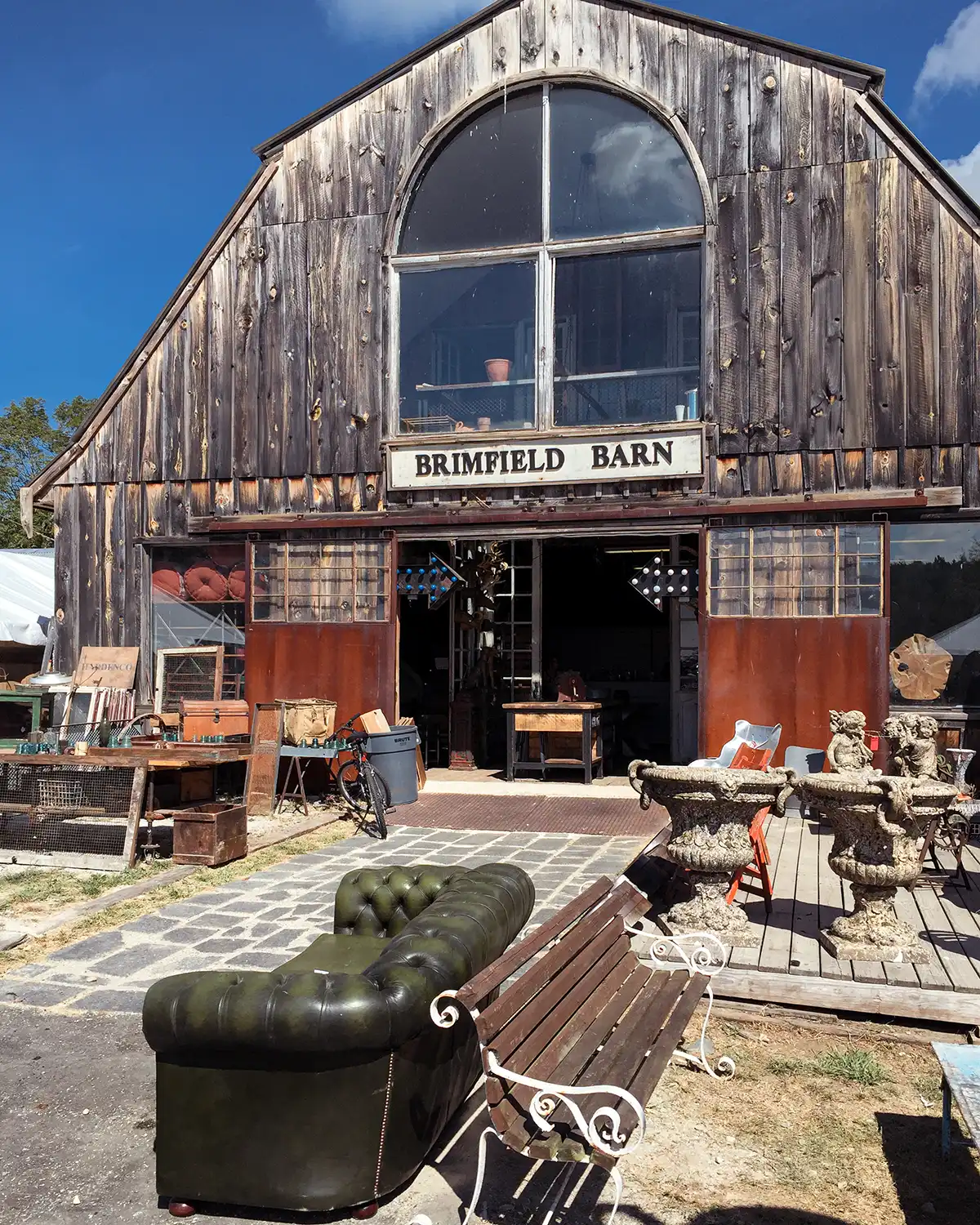
Pssst…Have you used flower frogs before? Do you have a favorite style you gravitate towards using? Do you also collect them? They’re a vintage treasure and one thing I always look for at Brimfield market.



What a great post! My mom used to teach flower arranging, and she would very much approve of this post!
PS: You probably know this, but the frogs with symmetrical rows of pins make great stands for photos and cards. Just in case you need a reason to collect even more of them!
That’s so cool! You must have learned so much about flower arranging! And thank you, I always need more excuses to thrift flower frogs.